***InG3RaSuL TaU PuFo °Mega-VIP Immer Zusammen°๋ Din: [:x] Am vIsAt sA zBoOoR [:X]
Postari: 4449
Hip hop fashion is a distinctive style of dress originating with the African-American youth living in New York City and Los Angeles. Each city contributed various elements to its overall style seen worldwide today. Hip hop fashion complements the expressions and attitudes of hip hop culture in general. Hip hop fashion has changed significantly during its history, and today it is a prominent part of popular fashion as a whole across the world and for all ethnicities. Contents
Hip hop fashion – poza de ***InG3RaSuL TaU PuFo, in Arhiva Generala /General Archive · 20.1KB
_______________________________________
#2
***InG3RaSuL TaU PuFo °Mega-VIP Immer Zusammen°๋ Din: [:x] Am vIsAt sA zBoOoR [:X]
Postari: 4449
Late 1970s to mid-1980s
In the early 1980s, established sportswear and fashion brands, such as Le Coq Sportif, Kangol, and Adidas, attached themselves to the emerging hip hop scene.
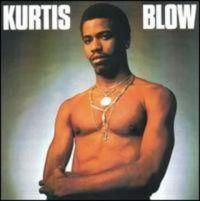
During the 1980s, hip-hop icons like Run-DMC and LL Cool J wore clothing items such as brightly colored name-brand tracksuits, sheepskin and leather bomber jackets,[1] Clarks shoes[1], Dr. Martens boots and sneakers (usually Adidas-brand shelltoes and often with "phat" or oversized shoelaces). Popular haircuts ranged from the early-1980s Jheri curl to the late-1980s hi-top fade popularized by Will Smith (The Fresh Prince) and Christopher "Kid" Reid of Kid 'n Play, among others. Kurtis Blow wearing his trademark gold jewelry. Blow helped popularize gold necklaces in the early 1980s. Kurtis Blow wearing his trademark gold jewelry. Blow helped popularize gold necklaces in the early 1980s.
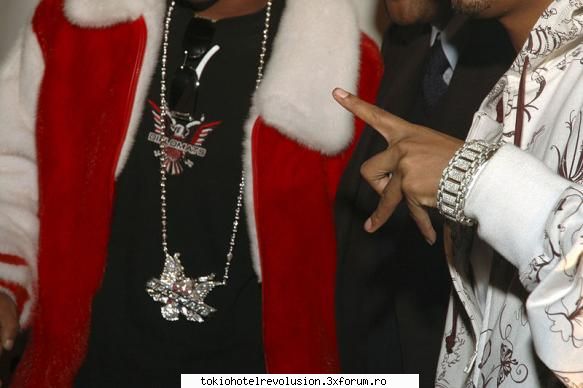
Popular accessories included large eyeglasses (Cazals[2] or Gazelles[1]), Kangol bucket hats,[1] nameplates,[1] name belts,[1] and multiple rings. Heavy gold jewelry was also popular in the 1980s; heavy jewelry in general would become an enduring element of hip hop fashion.[3] In general, men's jewelry focused on heavy gold chains and women's jewelry on large gold earrings.[3] Performers such as Kurtis Blow and Big Daddy Kane helped popularize gold necklaces and other such jewelry, and female rappers such as Roxanne Shanté and the group Salt-N-Pepa helped popularize oversized gold door-knocker earrings. The heavy jewelry was suggestive of prestige and wealth, and some have connected the style to Africanism.[4]
1980s hip hop fashion is remembered as one of the most important elements of old school hip hop, and it is often celebrated in nostalgic hip hop songs such as Ahmad's 1994 single "Back in the Day", and Missy Elliott's 2002 single "Back in the Day".
Hip hop fashion – poza de ***InG3RaSuL TaU PuFo, in Arhiva Generala /General Archive · 8.1KB
_______________________________________
#3
***InG3RaSuL TaU PuFo °Mega-VIP Immer Zusammen°๋ Din: [:x] Am vIsAt sA zBoOoR [:X]
Postari: 4449
Late 1980s to early 1990s fashion
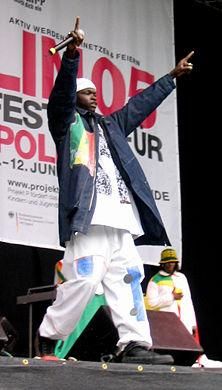
Black nationalism was increasingly influential in rap during the late 1980s, and fashions and hairstyles reflected traditional African influences.[3] Blousy pants were popular among dance-oriented rappers like MC Hammer.[3] Fezzes,[3] kufis decorated with the Kemetic ankh,[3] Kente cloth hats,[3] Africa chains, dreadlocks, and red, black, and green clothing became popular as well, promoted by artists such as Queen Latifah KRS-One, Public Enemy, and X-Clan). In the early 1990s, pop rappers such as The Fresh Prince, Kid 'n Play, and Left Eye of TLC popularized baseball caps and bright, often neon-colored, clothing. Kris Kross also established the fad of wearing clothes backwards.[3] Kwamé sparked the brief trend of polka-dot clothing as well.
The Nike capture of soon to be superstar basketball protege Michael Jordan from rivals Adidas in 1984 proved to be a huge turning point, as Nike dominated the urban streetwear sneaker market in the late 80's and early 90's. Other clothing brands such as Champion, Carhartt and Timberland were very closely associated with the scene, particularly on the East coast with hip hop acts such as Wu Tang Clan and Gangstarr sporting the look.
Gangsta rap pioneers N.W.A. popularized an early form of gangsta style in the late 1980s, consisting of Dickies pants, plaid shirts and jackets, Chuck Taylors sneakers, and black Raiders baseball caps and Raiders Starter jackets. Starter jackets, in addition, were also a popular trend in their own right during the late 1980s and early 90s. They became something of a status-symbol, with incidents of robberies of the jackets reported in the media.
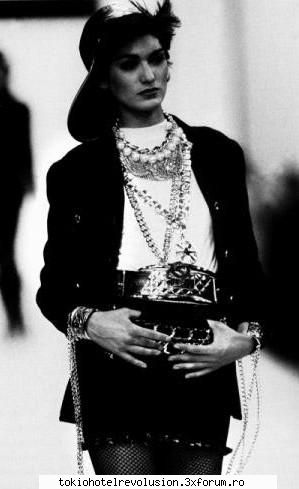
Hip hop fashion in this period also influenced high fashion designs. In the late 1980s, Isaac Mizrahi, inspired by his elevator operator who wore a heavy gold chain, showed a collection deeply influenced by hip hop fashion.[5] Models wore black catsuits, "gold chains, big gold nameplate-inspired belts, and black bomber jackets with fur-trimmed hoods."[5] Womenswear Daily called the look "homeboy chic."[5] In the early 1990s, Chanel showed hip-hop-inspired fashion in several shows. In one, models wore black leather jackets and piles of gold chains.[5] In another, they wore long black dresses, accessorized with heavy, padlocked silver chains.[5] (These silver chains were remarkably similar to the metal chain-link and padlock worn by Treach of Naughty by Nature, who said he did so in solidarity with "all the brothers who are locked down."[5]) The hip hop trend, however, did not last; fickle designers quickly moved on to new influences.[5]
Hip hop fashion – poza de ***InG3RaSuL TaU PuFo, in Arhiva Generala /General Archive · 22.8KB
_______________________________________
#4
***InG3RaSuL TaU PuFo °Mega-VIP Immer Zusammen°๋ Din: [:x] Am vIsAt sA zBoOoR [:X]
Postari: 4449
Mid-1990s to late 1990s fashion Gangsta style
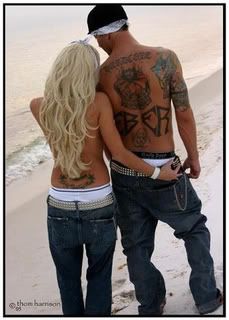
Gangsta rap became one of the most prevalent styles of hip hop, and by the mid-1990s, hip hop fashion had taken on significant influence from the dress styles of street thugs and prison inmates. West Coast gangsta rappers adopted the style of Los Angeles' cholos (Chicano gangsters), including baggy pants, black ink tattoos, bandanas,and shirt tails outside one's pants. Dark denim prison gear were also popular.and locs.The style of sagging one's pants, or wearing them baggy and low without a belt, was also style that originated in prisons. This style of fashion, along with its associated hand signs and territorial or "homeboy" mentality, was adopted by African-American youth in Los Angeles initially, and later by the hip hop community at large. Hip hop artists such as Dr. Dre, Snoop Dogg, Ice Cube and Beastie Boys all wore and referenced Ben Davis workwear in videos and songs, a staple clothing brand amongst true gang/skate/hip hop/custom culture.
Fashion among hip-hop elites
On the West Coast, members of the hip hop community looked back to the gangsters of the 1930s and 1940s for inspiration.Mafioso influences, especially and primarily inspired by the 1983 remake version of Scarface, became popular in hip hop. Many rappers set aside gang-inspired clothing in favor of classic gangster fashions such as bowler hats, double-breasted suits,silk shirts, and alligator-skin shoes ("gators". In some areas of the mid-west, including Detroit, this style has been a staple in hip-hop fashion, regardless of current trends
On the East Coast, "ghetto fabulous" fashion (a term coined by Sean Combs) was on the rise. Combs, the Notorious B.I.G., Faith Evans, Russell Simmons, and others were popularizing a style derived from high-fashion looks, but where luxury items were worn big and baggy
Tommy Hilfiger was the most prominent brand in 1990s sportswear, though Polo, Calvin Klein, Nautica, and DKNY were also popular.[7] When Snoop Doggy Dogg wore a Hilfiger sweatshirt during an appearance on Saturday Night Live, it sold out of New York City stores the next day.[7] Hilfiger's popularity was due to its perceived waspiness, which made it seem exclusive and aspirational.[7] Moreover, Hilfiger courted the new hip hop market: black models featured prominently in the company's advertising campaigns, and rappers like Puffy and Coolio walked during its runways shows.[7]
Other brands, including FUBU, Ecko Unlimited, Mecca USA, Lugz, Walker Wear, Boss Jeans by IG Design, and Enyce, arose to capitalize on the market for urban streetwear.[7] They followed in Hilfiger's footsteps by manufacturing all-American styles emblazoned with huge logos.[7]
The rise of hip-pop
The rise of hip-pop in the late-1990s, primarily the work of Sean "Diddy" Combs, known locally around New York at that time as the "Shiny Suit Man" brought elements such as loud, flashy PVC aviator inspired suits and platinum jewelry to the forefront of hip hop in an effort to add a new vivid dimension of color and flash to the videos produced as a marketing tool. Combs, who started his own Sean John clothing line, and clothing manufacturers such as Karl Kani and FUBU brought hip hop fashion to the mainstream, resulting in a multi-million dollar hip hop fashion industry. There was a resurgence of traditional African-American hairstyles such as cornrows and Afros, as well as the Caesar low-cut. Caesars and cornrows are maintained by wearing a do-rag over the head during periods of sleeping and home activity to prevent the hair from being displaced or tossled. Do-rags soon became popular hip hop fashion items in their own right.
The "hip-pop" era also saw the split between male and female hip hop fashion, which had previously been more or less similar. Women in hip hop had emulated the male tough-guy fashions such as baggy jeans, "Loc" sunglasses, tough looks and heavy workboots; many, such as Da Brat, accomplished this with little more than some lip gloss and a bit of make-up to make the industrial work pants and work boots feminine. The female performers who completely turned the tide such as Lil Kim and Foxy Brown popularized glamourous, high-fashion feminine hip hop styles, such as Kimora Lee Simmons fashion line of Baby Phat. While Lauryn Hill and Eve popularized more conservative styles that still maintained both a distinctly feminine and distinctly hip hop feel.
Bling culture
Main article: Bling bling
In the mid- to late 1990s, platinum replaced gold as the metal of choice in hip hop fashion.[3] Artists and fans alike wore platinum (or silver) jewelry, often embedded with diamonds. Jay-Z, Juvenile, and The Hot Boys were largely responsible for this trend.[3] Platinum fronts also became popular; Cash Money Records executive/rapper Brian "Baby" Williams infamously has an entire mouthful of permanent platinum teeth. Others have fashioned grills, removable metal jewelled teeth coverings.
With the advent of "bling" culture, the turn of the century established luxury brands made inroads into the hip hop market, with brands like Gucci and Prada making appearances in hip hop videos and films.[8] The most popular shoe of the era was the Nike Air Force 1, immortalized in the song by Nelly
Hip hop fashion – poza de ***InG3RaSuL TaU PuFo, in Arhiva Generala /General Archive · 34.1KB
_______________________________________ De ce nu te apropii? Strange-ma in brate! Arata-mi lumina,acopera-mi ochii... Mangaie-mi buzele ce park suspina, Otraveste ma cu dulceata,am sa mor ptr tine...
#6
***InG3RaSuL TaU PuFo °Mega-VIP Immer Zusammen°๋ Din: [:x] Am vIsAt sA zBoOoR [:X]
Postari: 4449
......eh lasa k le stii aq..
_______________________________________
#7
valentina_th °Mega-VIP Immer Zusammen°๋ Din: targoviste
Postari: 2207
bling-bling :P
_______________________________________ tokio hotel 4ever!!! Punk-Rock 4ever!!
#8
***InG3RaSuL TaU PuFo °Mega-VIP Immer Zusammen°๋ Din: [:x] Am vIsAt sA zBoOoR [:X]
Postari: 4449
super beton bling bling-urile.....da sunt f grele...avea un coleg si mi l-ampus si yo la gat..era greu raw
_______________________________________
#9
ˆ•Crazy Butterfly•ˆ
Vizitator
#10
Charlotte Mod Immer Zusammen Din: in mata
Postari: 11403



 . In some areas of the mid-west, including Detroit, this style has been a staple in hip-hop fashion, regardless of current trends